

Vented Door or Glass Door Standing Network Cabinet: What Should You Pick?
A bad door choice can lead to overheating, extra noise, or more frequent cleaning work. This article breaks down the real differences so you can match the door type to your own equipment load and site conditions.
Core Differences Between Vented Doors And Glass Doors
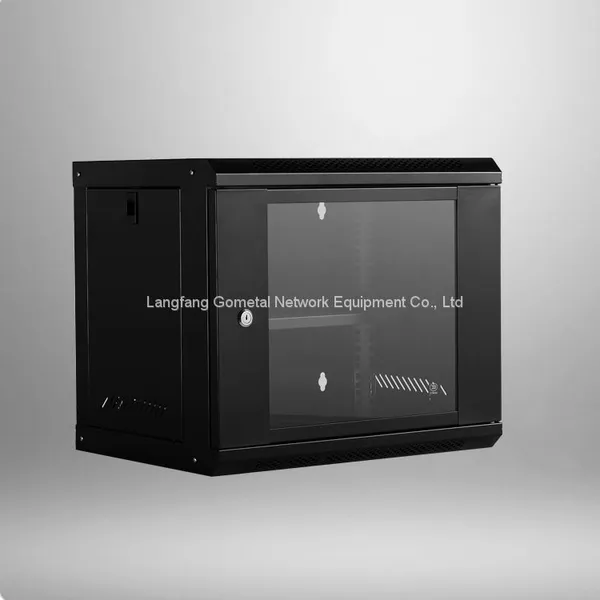
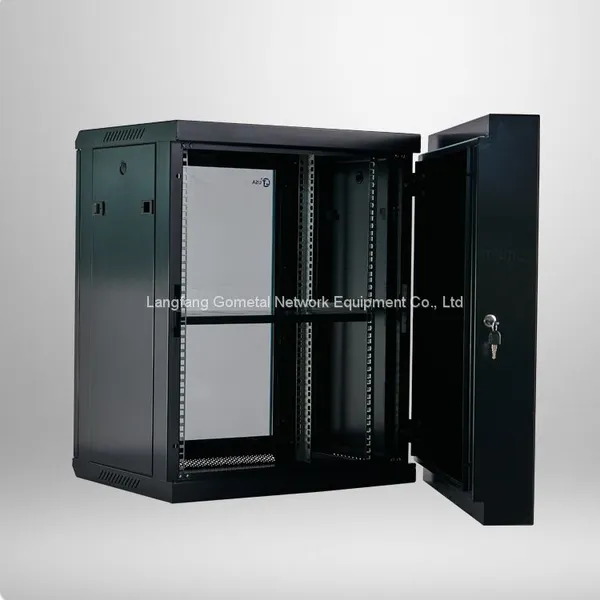
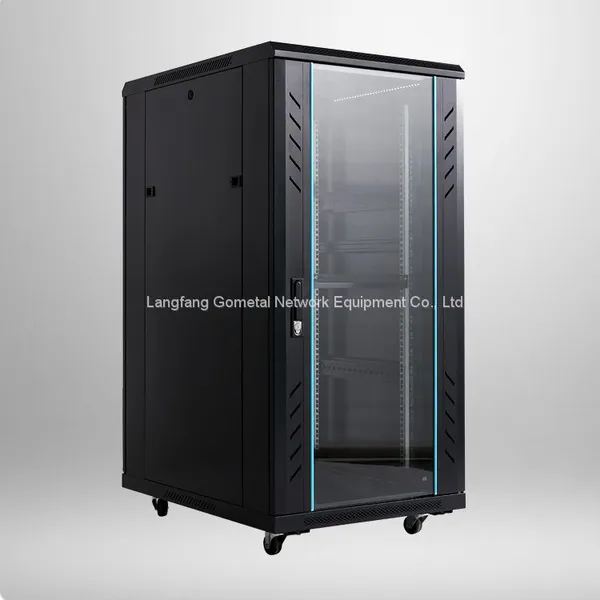
The biggest gap between these two styles comes down to airflow, visibility and dust control. A vented door uses a perforated or mesh steel panel, built to let air move freely from front to rear. It is the standard choice when you install switches, routers, firewalls or small servers that produce steady heat. A glass door usually uses tempered safety glass in a metal frame. It blocks most direct airflow, but lets staff check LED status lights, patch cords and panel layouts without unlocking and opening the cabinet.
When You Should Choose A Vented Door
Vented doors are designed around thermal management. IT hardware is very sensitive to sustained high temperatures. Even small network switches can throttle or restart when warm air cannot leave the enclosed space. If your standing network cabinet holds multiple active devices running 24 hours a day, vented construction is usually the safer pick.
Vented doors also suit locations where the room already has proper air conditioning. The cold supply air flows through the front mesh, absorbs heat from equipment, and exits through the rear panels or exhaust openings. Many installers prefer this style for standard IT closets because it works reliably with fewer extra accessories. You still need to check the perforation rate; cheap low-density mesh limits airflow and defeats the main advantage.
One downside is dust. In warehouses, construction site offices or spaces without regular cleaning, fine dust slowly builds on circuit boards. Routine quarterly cleaning becomes necessary. The mesh also does little to contain fan noise, so it may not be ideal near quiet meeting rooms or reception desks.
When You Should Choose A Glass Door
Glass doors shine for low-density, low-heat environments. Think of offices with only a few switches, patch panels and passive cabling hardware. These setups create very little heat, so restricted airflow is not a major risk. The transparent surface lets IT teams spot warning lights, loose cables or disconnected ports at a glance. For shared office spaces, this visual check saves plenty of small trips to unlock the cabinet.
Glass doors also offer cleaner aesthetics. Many company reception areas, meeting floors and public-facing wiring rooms pick this style for a neat, finished look. The solid seal around the frame keeps out more dust and tiny pests than a mesh panel, which lowers cleaning frequency. Tempered glass meets basic impact safety standards, and most models come with matching locking systems to stop unauthorised access.
The main limitation is thermal. If you add servers, high-bandwidth routers or power-heavy gear inside, heat will stack up fast. You can add roof fans or rear exhaust kits, but these add cost and maintenance. Condensation can also appear on glass in humid rooms, blurring the view and leaving water spots over time.
Practical Selection Checklist Before Buying
Before making your final call, run through these simple checks. First, calculate the total heat load of all devices you plan to install. Second, confirm the ambient temperature and air circulation of the room where the cabinet will sit. Third, think about who will maintain it and how often they need visual checks. Fourth, note the noise rules for that area. Fifth, confirm if you will add auxiliary cooling accessories such as top fan trays or temperature controllers.
A balanced rule of thumb works well for most small and mid-size deployments. Go vented when heat is your top concern. Pick glass when appearance, visibility and dust control matter more, and the hardware load stays light. In some projects, buyers even mix styles: vented rear door with glass front door to balance both needs.
FAQ
Can I swap a vented door for a glass door later?
Most standard 19-inch racks support door replacement if the frame and hinge layout match. But swapping from vented to glass may create cooling problems you did not expect. Always review heat load before changing door types.
Does a glass door cabinet need extra fans?
It depends on your equipment. Low-heat patch panels and basic switches may run fine without fans. Any high-power active hardware usually requires supplementary ventilation to avoid overheating.
Which door type lasts longer?
Both can serve for many years with proper care. Vented steel doors risk rust if the coating is scratched in damp areas. Glass doors rarely wear out, but hinges and locking hardware need periodic tightening.
Is one door more secure than the other?
Security mainly comes from the lock, frame and side panels, not the door material. Lockable glass gives visual oversight, while vented mesh does not prevent someone from reaching in through the holes if the lock fails.
Recently Posted
-
Stability and anti-tip performance of a TV trolley: what you need to know
November 25, 2026The short answer is that a well-engineered TV trolley can be stable and resistant to tipping, but stability is never automatic. It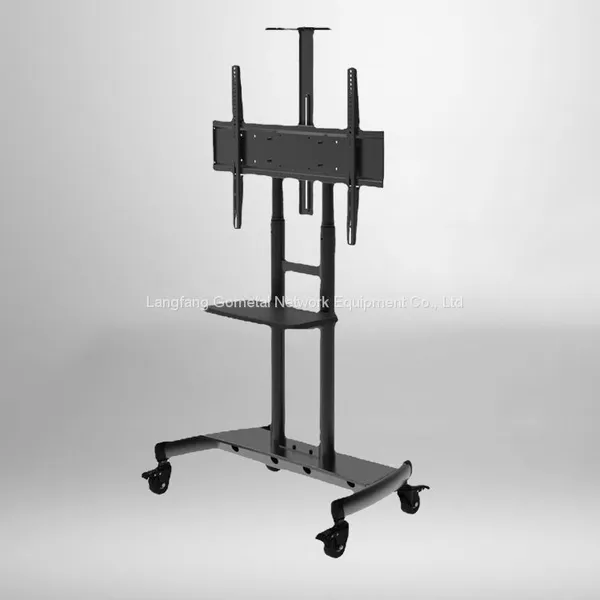 Read More
-
What Size Hardware Is Required To Mount A TV On A Bracket?
November 18, 2026It is one of those small details that many people overlook, but picking the wrong screw can scratch the casing, strip the threads,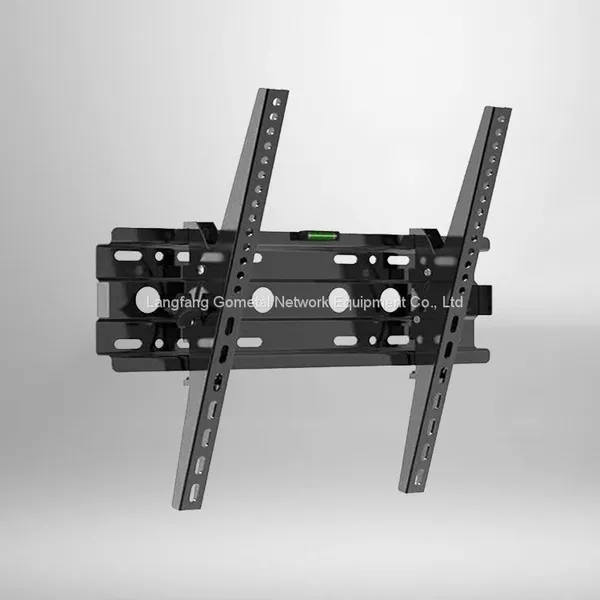 Read More
-
How Do Wall Mounted And Floor Standing Network Cabinets Differ?
November 18, 2026Many people only think about price at first, but the real difference comes down to how much gear you have, where you can place it,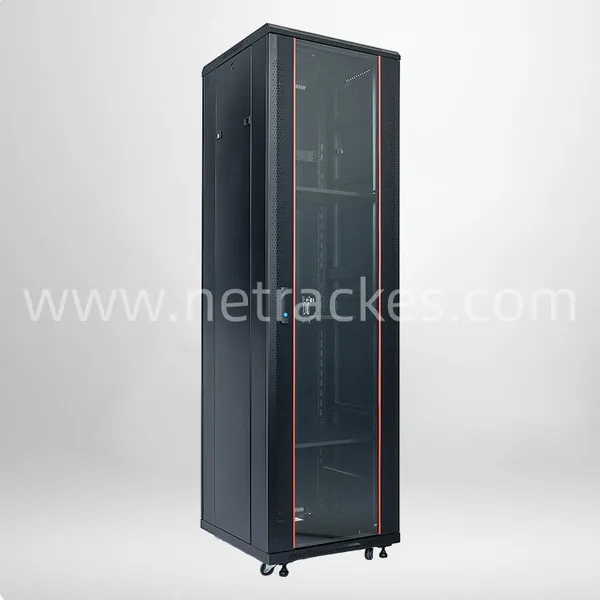 Read More
-
Understanding the Meaning of U in Server Cabinet Dimensions
November 11, 2026U is short for rack unit, a global standard measurement for the vertical mounting space inside rack-style IT enclosures. Under EIA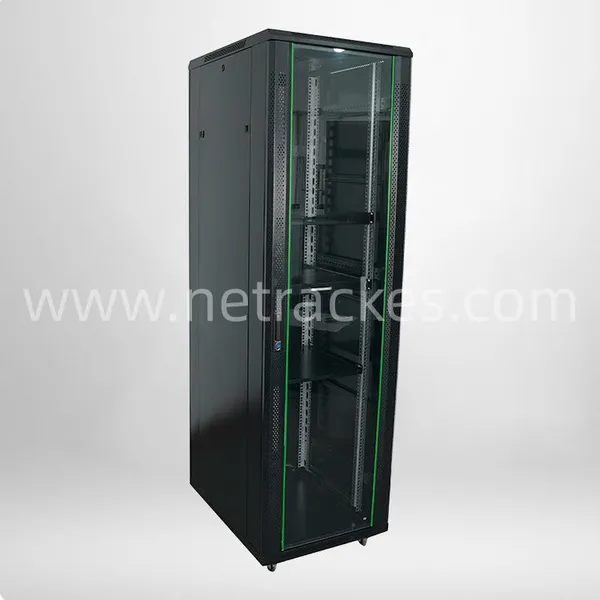 Read More

Contact Us
Recommended Products
-
 Sliding Cabinet With Glass Door 9uUS$ 1500 - 3500MOQ: 10 Pieces
-
6u Wall Mount Equipment RackUS$ 1500 - 3000MOQ: 10 Pieces
-
6u Wall Mount Equipment RackUS$ 1500 - 3000MOQ: 10 Pieces
-
Double Section Wall Mounted CabinetUS$ 1500 - 3500MOQ: 10 Pieces
-
Network Server Cabinet 22uUS$ 1500 - 3500MOQ: 10 Pieces